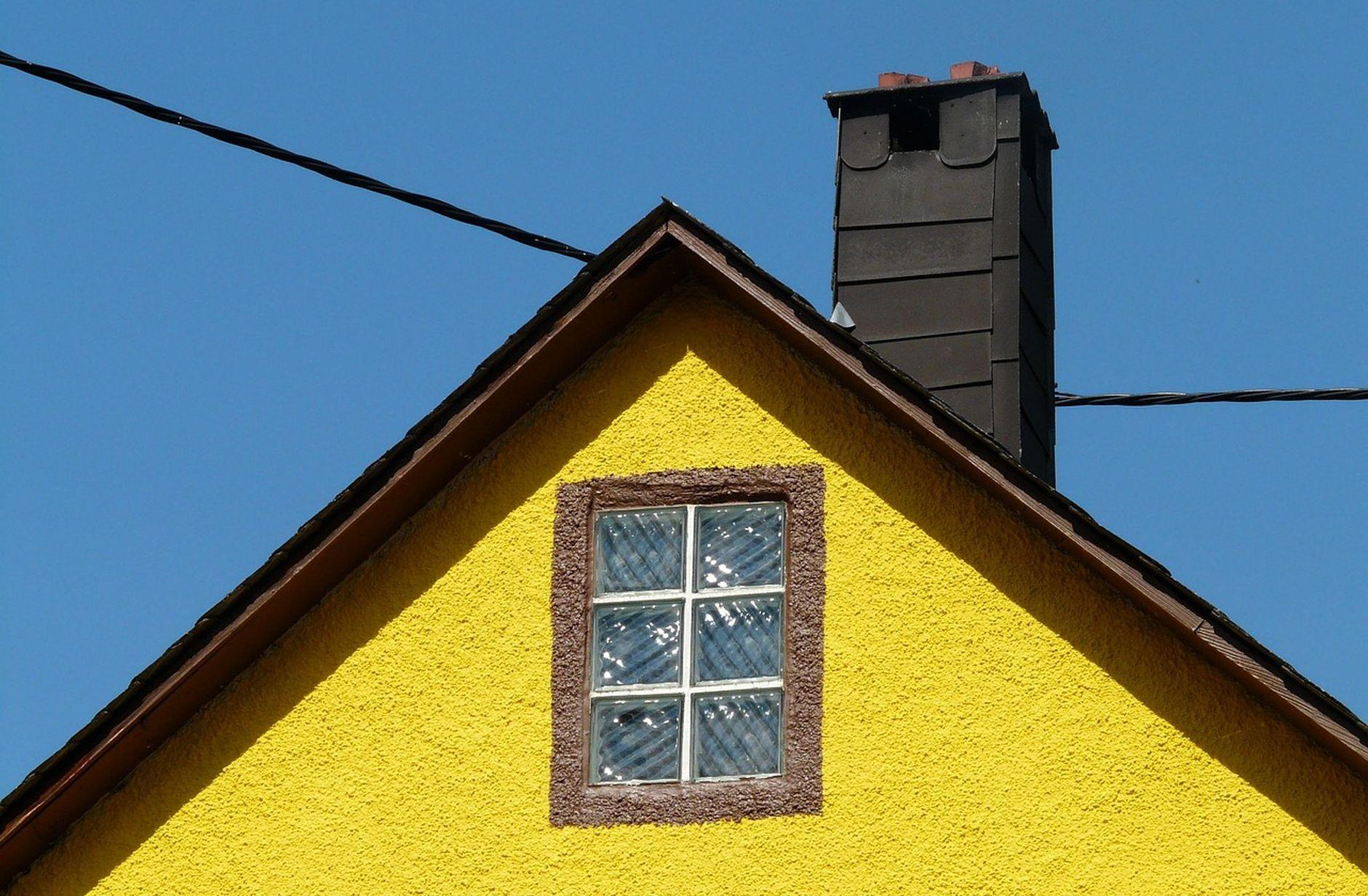
Worn brick on a chimney is easy to live with for twenty years and hard to ignore the month you put the house up for sale. Buyers see it from the curb. Their inspector photographs it from the ladder. And in a Ventura listing, a crumbling stack sitting above a nice kitchen photo raises a question the seller would rather answer first. This post covers the three choices a seller has with damaged masonry, what each one costs in money and in bargaining position, and how to pick.
Three choices, one decision
When the inspection report names masonry damage, a seller can go one of three ways:
1. Repair before listing. The work is done, photographed and filed. The buyer's inspector sees sound brick and a note saying what was fixed. 2. Price it in. The house lists with the issue known, and the asking price or an offered credit reflects it. 3. Disclose and leave it. The finding goes into the disclosure package with photos and a written repair figure, and the buyer decides what to do after closing.
None of these is wrong. The right one depends on how bad the damage is, how soon you list and what kind of buyer your agent expects.
What the damage usually looks like
On the chimneys we see across Ventura, Oxnard and Moorpark, masonry trouble falls into a few familiar patterns:
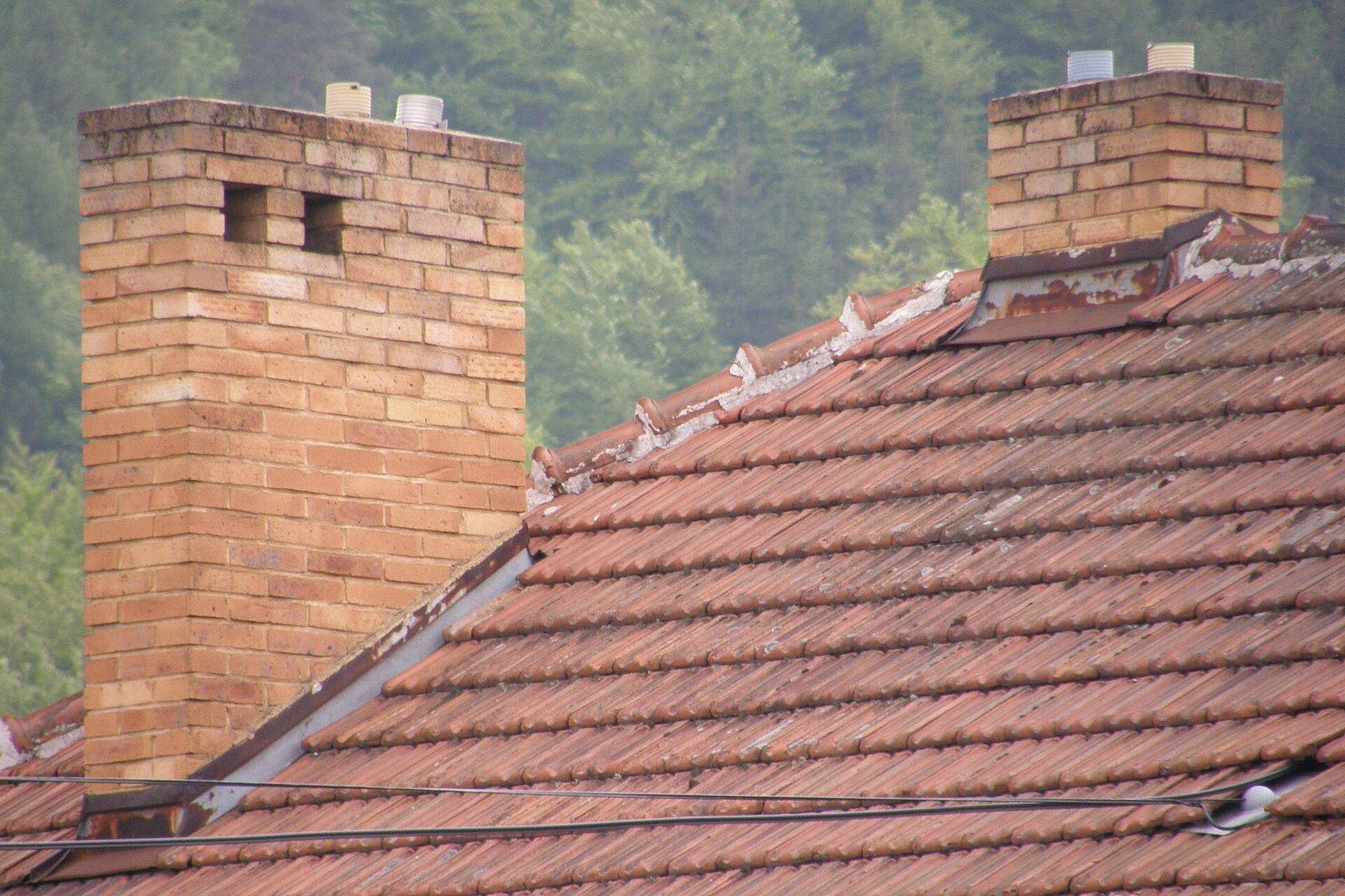
- Open mortar joints, usually worst on the side that faces the ocean wind. Sandy mortar you can scratch out with a key.
- Spalled brick, where the face has popped off and left a rough, pale surface. Water got in, then the brick shed its skin.
- A cracked or crumbling crown at the very top, which lets rain straight into the brick below.
- A stack that has moved. A visible gap where the chimney meets the siding, or a lean you can see from across the street. Fillmore and the older parts of Ventura County took real shaking in the 1994 quake, and some chimneys never sat quite right after.
The first three are repair jobs. The last one is a conversation about rebuilding or seismic bracing, and it changes the sale far more than a few loose joints.
What decides the repair price
Masonry has no published price on this site, because two chimneys with the same symptom can need very different amounts of brick work. The figure gets set on paper after we have been on the roof and measured. These are the things that move it:
- Height above the roofline. Taller stacks need more staging and more brick laid.
- How deep the damage goes. Repointing the outer joints is one job; brick that is soft all the way through has to come out and be relaid.
- The crown. A thin, cracked crown is often cheaper to recast than to keep patching.
- Roof type. Tile roofs in Ventura and Moorpark need careful footing and sometimes tiles lifted and reset around the chimney.
- What comes with it. Masonry work is the natural time to fix flashing or fit a cap, so the roof is only opened once.
Some neighbouring jobs do have published prices. Tracing and stopping a leak runs $550 to $3,300. A cricket to divert water behind a wide chimney runs $440 to $995, or $660 to $1,650 when the metal around the base is replaced in the same visit. A new cap is quoted after we measure.
Let us know how tall the chimney stands above the roof and which side looks worst, and we will set up the measuring visit that turns it into a written price.
When repairing first makes sense
Repair before you list if the damage is something a buyer's lender or insurer is likely to flag: a crown that lets water straight in, loose brick near the top, or open joints that let the stack shift. Those findings tend to come back as hard repair requests, and they are cheaper to handle on your schedule than in the middle of escrow.
Repair also makes sense when the chimney is in the listing photos. A fresh-looking stack costs less than the price cut a buyer will ask for after seeing a crumbling one.
When pricing in or disclosing is the better call
If the listing date is close and the work needs dry weather and curing time, forcing it in can backfire. Half-done masonry in a showing looks worse than honest damage with a figure beside it. In that case, get the written price, give it to your agent and let it shape the asking price or a credit.
Disclosure without repair suits buyers who plan to remodel anyway, or a chimney the buyer is likely to take down to the roofline and cap. A clear finding with photos and a repair figure gives them what they need to decide.
What can wait, and what cannot
- This week: a Level 2 inspection, so you know whether you are dealing with joints or structure.
- Before photos: anything that lets water in or could drop brick onto a walkway.
- Can wait: cosmetic spalling on a stack that is otherwise sound, provided it is disclosed.
How this fits the rest of the sale
Brick work rarely stands alone. A pre-listing Level 2 shows how far the damage reaches inside the flue, and our page on up to code chimney repairs lays out the usual fixes with prices where we publish them. If the masonry is sound but the fireplace inside looks tired, the post on a fireplace facelift before a sale covers that side.
Next move
Before you choose between fixing, crediting or disclosing, get the chimney measured and priced. Reach us through the contact page and the Marston crew will come out to size up the brick.
Get the Chimney Report Before the Buyer Does
Marston Chimney Solutions inspects the chimney, sorts each finding into repair, disclose or leave, and sends the photos to you and your agent. We work from Ventura across Oxnard, Fillmore, Moorpark and the rest of Ventura County.