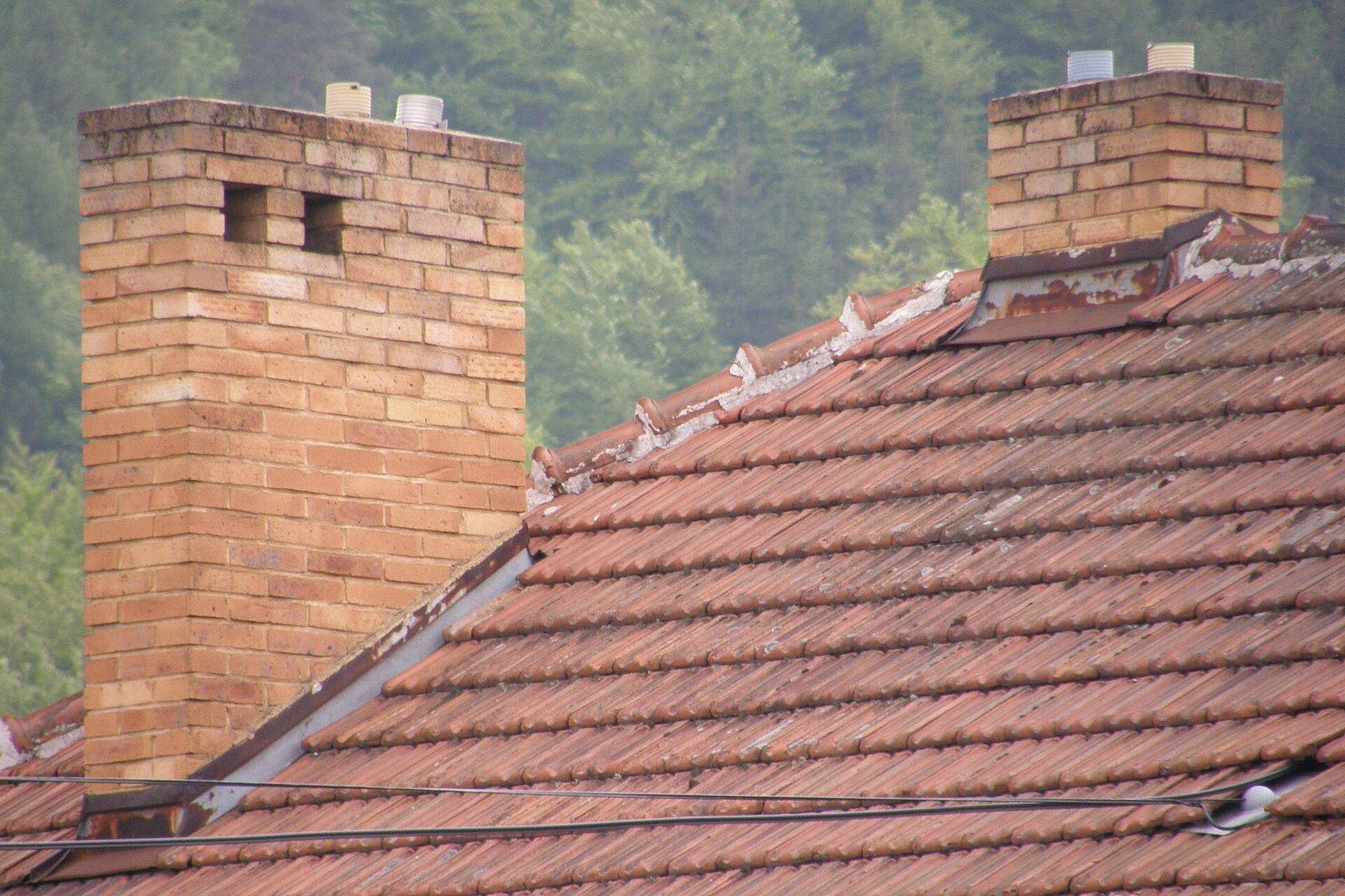
Sellers in Ventura usually reach us with a date already pencilled in: photographer in a few weeks, first open house after that. The chimney tends to be the one part of the house nobody has looked inside for years, and it is also the part a buyer's general inspector is most likely to wave off with a note asking for a specialist. This post sets out what a camera inspection costs when you book it before listing, what the money buys, and how it changes the weeks that follow.
The figure, and what moves it
Our Level 2 chimney inspection is $385 per chimney. One chimney means one structure on the roof, whatever it serves: a wood fireplace, a gas insert, or a furnace flue sharing the stack. A handful of things change the total for a particular house:
- How many chimneys the house has. A ranch with a living room hearth and a separate stack for the family room needs two inspections, one per structure.
- Flues sharing a stack. When two flues run inside the same chimney, each one gets filmed. We tell you before the visit whether that shifts the figure.
- Gas fireplaces that barely get used. For a sealed gas unit lit a few times a winter, a visual check at $54 can be enough. We say so on the phone rather than selling you the camera.
- Soot on the walls. A heavy coat hides cracks from the lens. If the fireplace has burned a lot of wood, a sweep, from $410, goes ahead of the filming so the video shows tile and not tar.
Count up the fireplaces, note which ones burn wood, and tell us the mix here so we can confirm your total before anything is booked.
What the money buys
NFPA 211, the standard most chimney reports in California follow, pairs the camera inspection with moments like a sale. That is why buyers' inspectors, lenders and insurers expect to see one. For a seller, the package looks like this:
- A video file running from the smoke chamber to the cap, with the tile joints visible along the way.
- Still photos of the crown, cap, flashing and the brick above the roofline.
- A look at the chimney inside the attic wherever the hatch gives us a way in, since that is where framing sits closest to the masonry.
- A written list of findings in plain words, each one marked for urgency.
The report is addressed to you. You decide who else reads it and when.
What it saves you later
Weigh the $385 against the other path. Skip it, and the first person to film your flue works for the buyer. Their findings arrive during the contingency period, and any crack becomes a repair demand or a credit priced by people who are not paying for the work. A seller who learns about a broken tile in escrow has little room to compare contractors or plan anything.
Book it first and the choices stay yours. Water getting in at the flashing ($550 to $3,300 to trace and stop) or a missing cap (quoted after we measure) can be handled before the house is photographed. Larger masonry repair can be priced in writing and disclosed with a number beside it, which buyers tend to accept far more readily than an open question mark.
Calendar notes for a Ventura listing
Coastal Ventura and Oxnard take most of their rain between late fall and early spring. Crown and mortar work needs dry days to cure, so a winter listing with a masonry finding gets squeezed. Planning a spring sale? An inspection in the fall leaves room to repair during the dry spells. Listing in summer gives more slack, but the order does not change: film first, decide second, repair third.
What to do this week: book the inspection, clear the hearth and make sure we can reach the attic hatch. What can wait: the choice between repairing and disclosing, until the report is on your desk.
Older houses get the most out of it
Many homes on the east side of Ventura, in Oxnard and out toward Fillmore have clay tile flues that have taken decades of heat and more than one earthquake. Tile cracks quietly. From the hearth a cracked flue looks exactly like a sound one, and the only way to know is to send the camera up. Those are the houses where a pre-listing look most often changes the plan, and also where a clean result is most persuasive to a buyer.
Who sees the report
You do, first. Share it with your agent now, put it in the disclosure package, or hold it until a buyer asks: that call belongs to you and your agent. We write each finding so a reader with no chimney background can follow it, which saves your agent from translating it for the other side.
Want to see how the findings feed into the sale itself? Our page on selling a home with a chimney walks through it, and the post comparing a buyer's home inspection with a seller's Level 2 covers where the two overlap.
Seller questions about the cost
Is the visual check enough for a sale? For a rarely used gas fireplace, sometimes. For anything that burns wood, most buyers' inspectors will ask for video anyway, so a cheaper look now often means paying for a second visit later.
Are repairs included? No. Repairs carry their own written price, agreed before any work. Plenty of sellers need none at all.
What if the report comes back clean? Good. A recent clean report with video is one of the stronger documents you can hand a buyer.
Does it matter that nobody lives there? Not to us. Vacant houses are often easier: no furniture by the hearth and nobody's schedule to work around.
Getting it on the calendar
Once the listing month is roughly known, or even before, reach the Marston team through the contact page and we will set the camera inspection ahead of your photographer.
Get the Chimney Report Before the Buyer Does
Marston Chimney Solutions inspects the chimney, sorts each finding into repair, disclose or leave, and sends the photos to you and your agent. We work from Ventura across Oxnard, Fillmore, Moorpark and the rest of Ventura County.