
A brown stain on the ceiling beside the fireplace is cheap to paint over and expensive to explain. Buyers in Ventura look up, some inspectors carry a moisture meter, and a fresh coat of paint over a damp patch reads badly in a disclosure file. For a seller, the question is not only how to stop the water but how to show it was stopped. This post covers the usual sources, what each fix costs here, and what to finish before the photographer arrives.
Why sellers should care more than owners do
An owner can live with a small leak for years, wiping the hearth after storms. A seller cannot. Known water entry is a material fact in a California sale, and it tends to come up twice: once on the disclosure form and again in the buyer's inspection report. Left alone, it invites a request for a credit sized for the worst case. Fixed and documented, it becomes one line in the file with before and after photos.
Coastal Ventura and Oxnard add their own pressure. Winter storms come in off the ocean with wind behind them, so water gets driven sideways into joints and seams that stay dry in a still rain.
Where the water usually comes from
On the chimneys we see across Ventura, Moorpark and Fillmore, leaks almost always trace back to one or more of these:
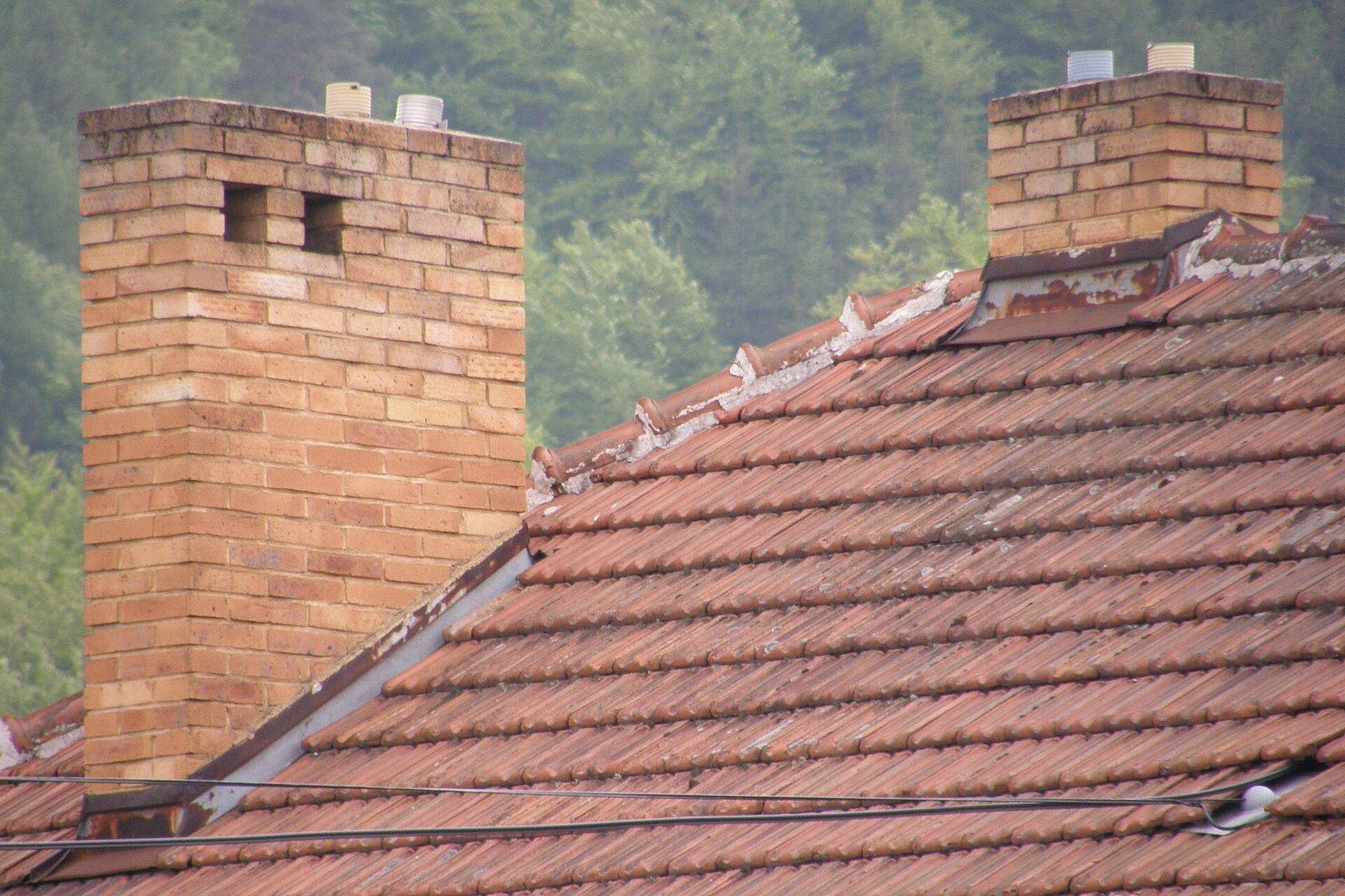
- The crown at the top of the stack, cracked or built too thin, letting water into the brick from above.
- The metal at the roof line, lifted, rusted or sealed with caulk that has dried out.
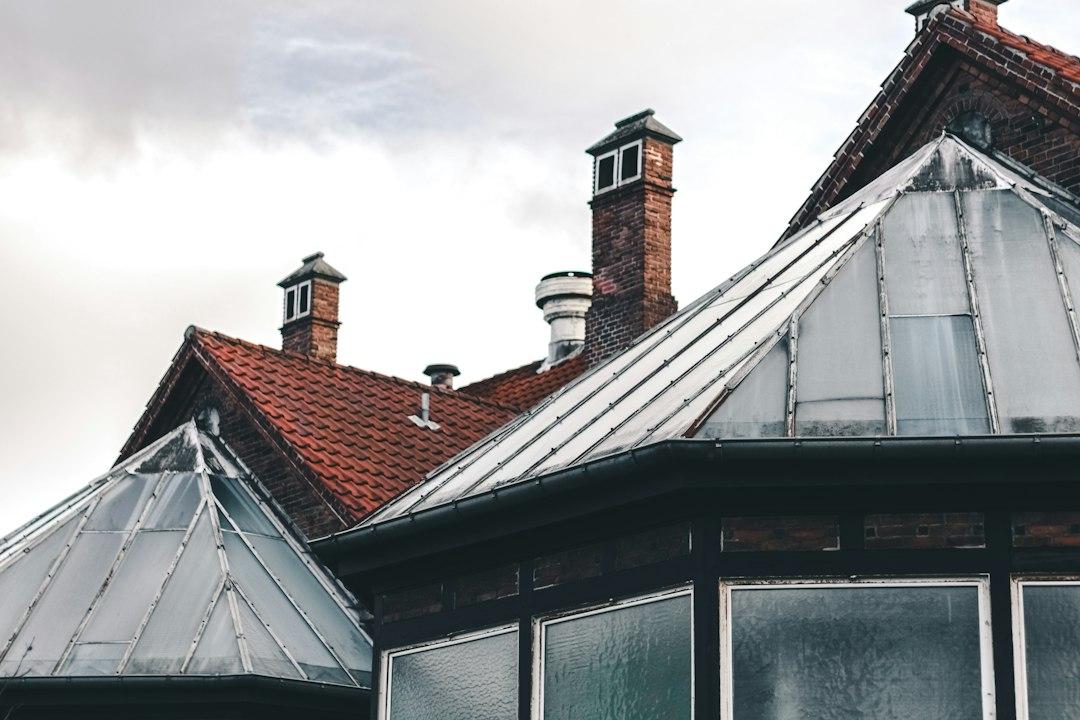
- No cap, or a cap with a damaged lid, so storms reach straight into the flue.
- Porous brick and open joints, especially on the side facing the prevailing wind.
- A wide chimney with no diverter on the uphill side, so water and debris collect against the masonry.
- A rusted metal top on a framed chimney chase, where rain pools and finds its way down inside.
Many leaks have more than one cause. That is why tracing comes before fixing: sealing the obvious spot and missing the second source leaves the stain coming back after the first storm in escrow.
What it costs here
Some of these fixes carry published ranges on this site. Others depend too heavily on the chimney to price without a visit.
- Finding and stopping a chimney leak: $550 to $3,300, depending on how many sources turn up and what each one needs.
- A diverter on the uphill side of a wide chimney: $440 to $995, or $660 to $1,650 when the base metal is replaced on the same visit.
- Crown repair, chase covers and waterproofing: priced in writing after measuring, since size and condition vary too much for a range.
- A new cap: quoted after we measure, from a single-flue cap to a large one covering several flues.
If you can tell us where the stain shows up inside and whether it follows every storm or only the windy ones, we will book the tracing visit and price the fix.
What to finish before listing photos
Not every leak repair has to be complete before the house goes on the market. A sensible order:
1. Stop the water first. Tracing, then whichever fix the tracing calls for. This is the item buyers will ask about. 2. Let the inside dry. A ceiling that was wet needs time before it is repainted, or the stain bleeds through. 3. Patch and paint the interior once it is dry, and keep the before photos. 4. Waterproofing comes last, after the brick, crown and metal are sound. A water repellent applied over open joints just hides the problem.
This week: book the tracing visit. Before photos: steps one to three. Can wait: waterproofing, if the repair itself has stopped the water and the timeline is tight.
Documenting it for the buyer
The file a buyer sees should show the stain, the source we found, the fix, and the finished work. We take photos at each stage and put them in a short completion note addressed to you. Share it with your agent and it can go straight into the disclosure package.
If the buyer's inspector later finds a dry stain, that note answers the question before it becomes a negotiation.
When the leak is a symptom of something bigger
Sometimes the water is coming through brick that has failed more broadly, or a crown that has let water in long enough to loosen the top courses. At that point the conversation moves from leak repair to masonry repair or a partial rebuild. The post on whether to fix or disclose chimney brick covers how sellers handle that choice, and the up to code repairs page lists the other common fixes with prices.
A pre-listing Level 2 is often the first sign of water damage inside the flue, since the camera picks up staining and flaking that cannot be seen from the room.
Seller questions about leaks
The stain is old and the ceiling is dry. Do I still need to act? Probably. A dry stain still has to be disclosed, and a buyer will want to know whether the source was ever found. A tracing visit answers that either way.
Can I just offer a credit? You can, but a credit sized for an unknown leak is usually larger than the repair. With a written figure from us, your agent negotiates from a number instead of a guess.
Does the work need dry weather? Metal work and a cap can go on between storms. Crown work and waterproofing need a dry spell to cure, which is one more reason to book early in the season.
Next step
Stopping a chimney leak is one of the cleaner pre-sale jobs: clear cause, clear fix, clear paperwork. Reach Marston Chimney Solutions through the contact page and we will come out to trace it.
Get the Chimney Report Before the Buyer Does
Marston Chimney Solutions inspects the chimney, sorts each finding into repair, disclose or leave, and sends the photos to you and your agent. We work from Ventura across Oxnard, Fillmore, Moorpark and the rest of Ventura County.